
Uncategorized | August 24, 2026
Why drains keep clogging in Chagrin Falls homes and how to prevent it
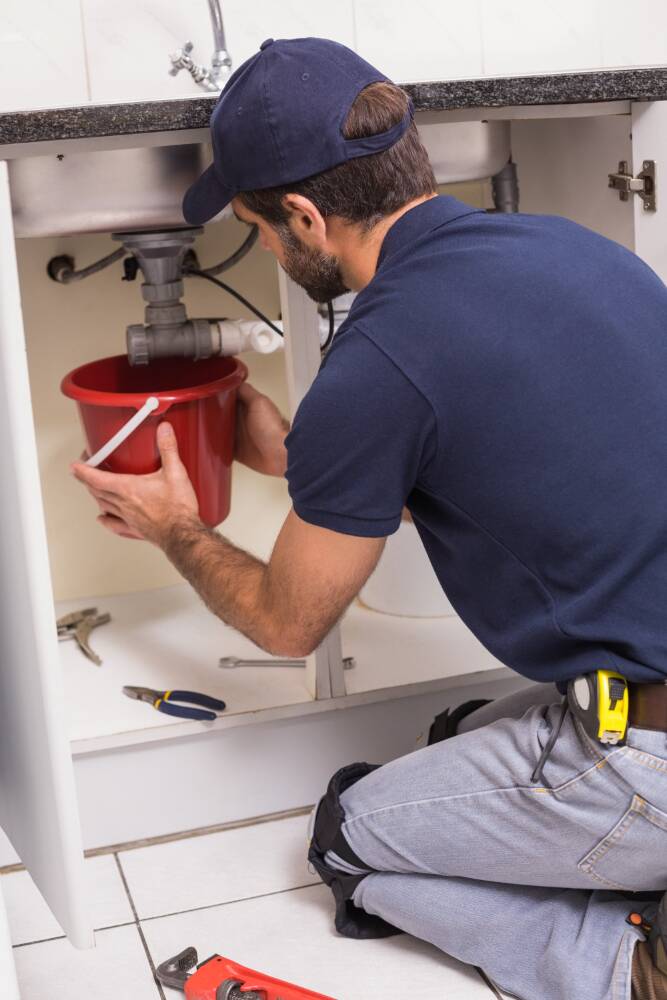
Recurring drain clogs in Chagrin Falls are not just a nuisance. They are a signal that something deeper is going on inside your plumbing system, and ignoring that signal almost always leads to a more expensive problem down the road.
If you find yourself reaching for the plunger every few weeks or watching the same sink drain slower and slower despite repeated clearing, there is a reason, and it probably has less to do with what you are putting down the drain than you think.
Chagrin Falls is one of the most charming villages in Northeast Ohio, with architecture spanning from the mid-1800s to the present day. That range of home ages means the village has a wide mix of pipe materials running beneath its streets and properties, including clay, cast iron, galvanized steel, and more modern PVC.
Each material ages differently, and each one creates its own set of conditions for clogs to form and come back. Add in the regional water chemistry, mature tree canopy, and the freeze-thaw cycles that define Ohio winters, and you have a combination that makes recurring drain problems almost inevitable in homes that are not on a maintenance schedule.
The good news is that most recurring clogs are preventable once you understand what is actually causing them. This article breaks down the most common reasons drains keep backing up in Chagrin Falls homes and walks you through the practical steps that stop the cycle for good.
In this article, you will learn about:
- What makes Chagrin Falls homes especially prone to drain problems
- The most common causes behind recurring clogs in older plumbing
- How Northeast Ohio’s water and climate contribute to buildup
- Warning signs that a clog is more than a simple blockage
- Practical steps to keep your drains clear year round
Keep reading to find out what is really going on inside your pipes and how to stop the cycle of clogs before it costs you a major repair.
What makes Chagrin Falls homes especially prone to drain problems
Chagrin Falls was incorporated as a village in 1844, and its residential neighborhoods reflect nearly two centuries of building styles and plumbing technology. Many of the village’s most desirable homes sit on original or early-replacement plumbing systems that were never designed to last as long as they have been asked to. That history creates specific vulnerabilities that newer communities do not share.
The village sits along the Chagrin River in Cuyahoga County, roughly 24 miles east of downtown Cleveland. Its location, topography, and age combine to produce a set of drain problems that plumbers in the area see again and again. Understanding those local factors is the first step toward breaking the clog cycle.
Aging pipe materials that trap buildup
Homes built in Chagrin Falls before the 1970s were typically plumbed with cast iron drain lines and clay sewer laterals. Both materials were standard for their era, but they behave very differently from modern PVC over time.
Cast iron corrodes from the inside out. As the pipe wall roughens, it creates a surface that grabs grease, soap residue, hair, and organic matter. Every flush and every drain cycle leaves behind a thin film that builds up gradually. After decades of use, the interior diameter of a cast iron drain line can narrow significantly, reducing flow capacity and making clogs far more likely even with normal household use.
Clay sewer laterals present a different problem. The short sections are joined with mortar that degrades over time, and the joints themselves become entry points for roots, soil, and groundwater. A clay lateral with compromised joints does not just clog at the joint. It collects sediment and debris in the low spots created by soil settlement, forming chronic blockage points that no amount of drain cleaner will fix. When a clay lateral deteriorates beyond the point of cleaning, sewer line repair or replacement becomes the only permanent solution.
The following pipe materials are commonly found in Chagrin Falls homes, each with its own clog risk:
- Cast iron, which corrodes internally and creates rough surfaces that catch debris
- Clay tile, which develops joint gaps that invite root intrusion and soil infiltration
- Galvanized steel, which builds up mineral scale that progressively narrows the pipe
- Orangeburg (bituminous fiber), found in some mid-century homes, which collapses and deforms under soil pressure
If your home was built before 1980 and the drain lines have never been replaced, the pipe material itself is likely contributing to your recurring clogs.
Mature trees and root intrusion along the river corridor
Chagrin Falls is defined by its tree-lined streets and the mature hardwood canopy that follows the Chagrin River through the village center. Those trees are a major part of what makes the community attractive, but their root systems are one of the primary drivers of sewer and drain problems in older homes.
Tree roots grow toward moisture, and a drain line with even a minor crack or a loose joint sends a moisture signal into the surrounding soil that roots detect and follow. Once a root enters a pipe, it expands rapidly in the warm, nutrient-rich environment inside. The root mass traps grease, paper, and waste, gradually reducing flow until the line backs up. Homes across the broader Cleveland area deal with the same root intrusion pattern wherever mature trees and aging pipes share the same soil.
Properties along and near the river are especially vulnerable because the water table is higher, soil moisture is more consistent, and tree root systems are denser. But root intrusion is not limited to riverfront lots. Any Chagrin Falls property with mature trees within 20 feet of a sewer lateral or main drain line is a candidate for root-related clogs.
A camera inspection is the only reliable way to determine whether roots have entered your pipes. Surface-level symptoms like slow drains and gurgling fixtures can point to root intrusion, but they can also indicate other problems. The camera removes the guesswork.
Village topography and soil conditions
The terrain around Chagrin Falls is not flat. The river valley creates slopes and grade changes that affect how sewer laterals are routed from homes to the municipal connection. A sewer lateral that was installed at a proper grade decades ago may no longer hold that grade after years of soil settlement, freeze-thaw movement, and erosion.
When a section of pipe settles below its intended slope, it creates a belly, a low spot where water pools and solids accumulate. Bellies cause chronic, slow-draining conditions that are often mistaken for simple clogs. Clearing the line with a snake or a hydro jet restores flow temporarily, but the belly fills up again because the grade problem has not been corrected.
The clay-heavy soils common in this part of Cuyahoga County make the problem worse. Clay soil expands when wet and contracts when dry, and this seasonal movement puts constant mechanical stress on buried pipes. Over time, that stress opens joints, shifts pipe sections, and creates the conditions that lead to both root intrusion and belly formation.
The most common causes behind recurring clogs in older plumbing
Not every clog has the same cause, and recurring clogs almost always point to an underlying issue that a plunger or a bottle of chemical drain cleaner cannot solve. In Chagrin Falls homes, the most common repeat offenders fall into a few distinct categories, and each one requires a different approach.
Understanding the cause before reaching for a fix saves time, money, and frustration. A homeowner who knows that their kitchen drain clogs because of grease on a corroded cast iron line will get a very different result from professional cleaning than one who assumes every clog is the same.
Grease and soap scum on roughened pipe walls
Kitchen drains in older Chagrin Falls homes are the most frequent clog site, and grease is almost always part of the equation. Cooking oils, butter, and fat that go down the drain in liquid form cool as they travel through the pipe and solidify on the pipe walls. In a new PVC drain, the smooth interior surface limits how much grease adheres. In a corroded cast iron line, the roughened interior grabs and holds grease like sandpaper.
Soap scum compounds the problem in bathroom drains. Bar soap, shampoo, and body wash leave a calcium-based residue that bonds with the minerals in the water and hardens on the pipe walls. The Cleveland Water Department reports that the region’s water has a hardness of 120 milligrams per liter as calcium carbonate, which falls in the moderate range. That level is enough to produce visible mineral deposits over time, especially in pipes that already have rough or corroded interior surfaces.
The result is a narrowing effect that builds slowly over months and years. The drain may work fine for weeks, then one normal use pushes it past the tipping point and produces a backup. Clearing the clog restores flow temporarily, but the underlying buildup remains, and the next clog comes even faster.
Wipes, paper products, and foreign objects
“Flushable” wipes are one of the most common causes of drain blockages that plumbers encounter, and the problem is not limited to the toilet itself. Wipes that make it past the toilet trap enter the main drain line, where they catch on joints, root masses, and buildup. Unlike toilet paper, which is designed to break apart in water, wipes hold their structure and form dense plugs that conventional snaking sometimes cannot clear.
Other common offenders include:
- Cotton swabs and dental floss, which wrap around obstructions and tighten over time
- Feminine hygiene products, which expand when wet and block narrow drain sections
- Paper towels and tissues, which are thicker than toilet paper and do not dissolve
- Food particles and coffee grounds, which accumulate in kitchen traps and branch lines
Each of these items contributes to a gradual narrowing of the pipe or creates a snag point where future material catches and builds up. In a home with aging pipes that already have interior corrosion or joint issues, even small amounts of non-flushable material accelerate the clog cycle dramatically.
The fix is straightforward: only water, human waste, and toilet paper should go down a drain. Everything else, including wipes labeled “flushable,” belongs in the trash.
Mineral scale from Northeast Ohio’s water supply
Hard water does not cause sudden clogs, but it contributes to the slow buildup that makes drains progressively more vulnerable over time. Dissolved calcium and magnesium in the water supply precipitate out and deposit on pipe walls, fixture interiors, and fittings. In a kitchen or bathroom drain, this mineral scale adds another layer of roughness that catches debris and restricts flow.
According to the U.S. Environmental Protection Agency, the average household’s plumbing leaks waste roughly 9,400 gallons of water per year, and 9% of homes have leaks that lose 50 gallons or more per day. Those leak statistics matter in the context of mineral buildup because every gallon of water that passes through or sits in your pipes deposits trace minerals. The higher the volume and the longer the exposure, the faster scale accumulates.
In Chagrin Falls homes with galvanized steel supply lines, mineral scale can reduce the interior diameter of the pipe by 50% or more over several decades. That restricted flow creates low water pressure and increases the likelihood that debris settles and collects rather than flushing through cleanly. Replacing galvanized lines with copper or PEX solves the supply-side problem, and regular drain maintenance addresses the buildup on the drain side.
How Northeast Ohio’s water and climate contribute to buildup
Chagrin Falls sits in a climate zone that is hard on plumbing. Cold winters, hot humid summers, and a long shoulder season of rain and temperature swings create year-round conditions that stress both supply and drain lines. The local water chemistry adds another layer of challenge that homeowners in warmer, drier climates simply do not face.
These environmental factors do not cause clogs on their own, but they accelerate every other cause listed in this article. A pipe that might last 80 years in a mild, dry climate may need attention at 40 or 50 in Northeast Ohio.
Freeze-thaw cycles shift and crack buried pipes
Cuyahoga County experiences dozens of freeze-thaw cycles every winter. When soil moisture freezes, it expands and pushes upward in a process called frost heave. When it thaws, the soil settles back down. This repeated movement exerts physical force on every buried pipe in its path.
The frost line in this part of Ohio sits at roughly 42 inches below grade. Sewer laterals are typically installed deeper than that, which protects them from freezing directly. But the soil above and around the pipe moves with every freeze-thaw cycle, and that movement shifts joints, widens cracks, and creates the bellies and offsets that lead to chronic clogging.
The damage is cumulative and rarely dramatic. A single winter does not destroy a pipe. But 30 or 40 winters of repeated ground movement on a clay or cast iron line will produce measurable deterioration. Homeowners who notice that their drain problems get worse in late winter or early spring are likely seeing the effects of that season’s freeze-thaw activity.
Seasonal rainfall and high water tables near the river
Chagrin Falls receives significant rainfall in spring and early summer, and the Chagrin River’s floodplain keeps the water table elevated in nearby neighborhoods. High groundwater creates two problems for aging drain and sewer lines.
First, groundwater seeps into cracked pipes and loose joints through a process called infiltration. That additional water volume increases flow through the pipe, which can overwhelm partially blocked sections and cause backups during heavy rain events. If your drains back up primarily during or after storms, underground pipe damage is likely part of the equation.
Second, saturated soil around a pipe increases the hydraulic pressure on the pipe’s exterior. In a structurally sound pipe, that pressure is not a problem. In a pipe with existing cracks or corroded walls, the external pressure can deform the pipe, collapse weakened sections, or push soil and sediment into the interior through gaps in the joints.
The combination of high groundwater and aging pipes is one of the reasons that homes near the Chagrin River experience more frequent drain issues than homes on higher ground farther from the floodplain.
Hard water mineral deposits compound every other problem
Cleveland’s municipal water supply draws from Lake Erie, and the naturally occurring mineral content creates moderate hardness throughout the distribution system. Every time water flows through a pipe, it deposits a thin layer of calcium carbonate on the interior surface.
In new PVC pipe, that layer builds slowly and has minimal impact for decades. In corroded cast iron or scaled galvanized pipe, the mineral deposits bond to the already-rough surface and accelerate the narrowing process. The combination of corrosion, grease, soap scum, and mineral scale creates a layered buildup that is far more resistant to clearing than any single substance on its own.
Homeowners who install a water filtration system or a water softener can reduce the rate of mineral deposition on their supply and drain lines, which slows the buildup cycle and extends the interval between professional cleanings.
Warning signs that a clog is more than a simple blockage
Some clogs are exactly what they appear to be, a one-time obstruction caused by something that should not have gone down the drain. But when clogs come back repeatedly or when the symptoms affect multiple fixtures at once, the problem is almost always structural or systemic. Recognizing those warning signs early prevents a manageable drain issue from becoming a major plumbing emergency.
The distinction matters because the fix for a simple clog is very different from the fix for a deteriorating sewer lateral or a root-infiltrated main line. Homeowners who treat every clog the same way end up spending money on repeated cleanings that never address the root cause.
The same drain clogs more than twice in a year
A healthy drain that is used normally should not clog more than once in a very long while. If the same drain, whether it is a kitchen sink, a bathroom lavatory, or a floor drain, backs up two or more times in a 12-month period, the clog is a symptom of something else.
Common underlying causes of repeat clogs in a single fixture include:
- A partially collapsed or bellied branch line that collects sediment
- A root mass growing just downstream of the fixture’s trap
- Severe interior corrosion that has narrowed the pipe to the point where normal use overwhelms it
- A misaligned joint or offset that creates a lip where debris catches
A single professional cleaning may not reveal the underlying cause if the plumber only clears the blockage without scoping the line. Pairing drain cleaning with a camera inspection after the line is cleared gives you a complete picture of why the clog keeps forming and what it will take to stop it.
Multiple fixtures back up at the same time
When a single drain is slow, the problem is usually localized to that fixture or its branch line. When multiple drains in different parts of the house slow down or back up simultaneously, the blockage is in the main sewer line that carries waste from the entire house to the municipal connection.
Main line blockages are more serious and more expensive to resolve than branch line clogs. They can be caused by root intrusion, pipe collapse, a severe belly, or a combination of factors. If flushing a toilet causes water to rise in a basement floor drain or a first-floor shower, the main line is the problem.
Do not attempt to clear a main line blockage with chemical drain cleaners. Chemical products are not formulated for main line use, and they can damage older pipe materials. Professional pipe snaking or hydro jetting is the appropriate response, followed by a camera inspection to determine the condition of the line. If the inspection reveals a collapsed section or severe deterioration, trenchless repair may offer a less invasive alternative to full excavation.
Sewage odors or gurgling sounds from drains
A drain that gurgles when another fixture is in use is venting air through the water seal in the trap. That happens when pressure changes in the drain system push or pull air through the line, and it typically indicates a partial blockage downstream that is disrupting normal airflow.
Sewer odors coming from a drain or from the area around a cleanout are a more urgent sign. A functioning drain system is sealed, and sewer gas should never escape into the living space. Odors indicate a cracked pipe, a dried-out trap, or a broken seal somewhere in the system.
Both symptoms warrant professional evaluation. Gurgling that goes unaddressed often progresses to a full backup, and sewer gas exposure in an enclosed space carries health risks from hydrogen sulfide and methane. If the situation escalates to a full backup with sewage entering the home, contact an emergency plumber immediately to minimize damage.
Practical steps to keep your drains clear year round
Preventing recurring clogs in a Chagrin Falls home requires a combination of daily habits, seasonal awareness, and scheduled professional maintenance. No single step eliminates the problem on its own, but the combination addresses every major cause discussed in this article.
The goal is not to prevent every clog forever. The goal is to break the cycle of repeated blockages, extend the life of your existing plumbing, and catch structural problems early enough that repairs stay manageable.
Daily habits that reduce buildup
The simplest and most effective way to prevent drain clogs is to control what goes into the drain in the first place. Most recurring kitchen clogs start with grease, and most recurring bathroom clogs start with hair and soap residue.
A few changes in daily routine make a significant difference over time:
- Pour cooled cooking grease and oil into a container and throw it away rather than washing it down the sink
- Use a mesh strainer over every drain to catch hair, food particles, and debris
- Run hot water through the kitchen drain for 30 seconds after washing dishes to help flush grease residue through the line
- Limit garbage disposal use and never put fibrous foods, coffee grounds, or starchy waste through the disposal
- Use only toilet paper in the toilet and keep a wastebasket next to the toilet for everything else
These habits reduce the volume of clog-forming material entering the system and give professional cleaning a longer-lasting result.
Seasonal maintenance tied to Northeast Ohio’s climate
Timing your drain maintenance around the local climate cycle gives you the best results. Two strategic maintenance windows align with the conditions that stress Chagrin Falls plumbing the most.
Spring is the time to address winter damage. After the last freeze-thaw cycle, schedule a drain camera inspection and cleaning to clear any sediment or debris that accumulated over winter and to check for new cracks or root intrusion that the freeze-thaw cycle may have caused.
Fall is the time to prepare for winter. Clearing root growth and buildup before the ground freezes means your pipes enter the harshest season in the best possible condition. A clean pipe with intact joints handles freeze-thaw stress far better than one already weakened by roots or deposits. Combining fall cleaning with a preventive maintenance plan gives your plumbing the best chance of making it through winter without an emergency call.
Between those two maintenance windows, keep an eye on drain speed throughout the house. A drain that slows gradually over weeks rather than clogging suddenly is telling you that buildup is accumulating, and addressing it with a professional cleaning now prevents a backup later.
Professional drain cleaning on a regular schedule
Households in older Chagrin Falls homes benefit from professional drain cleaning every 12 to 24 months, depending on the age and condition of the plumbing. Homes with cast iron drain lines, mature trees near the sewer lateral, or a history of recurring clogs should lean toward annual service.
Professional cleaning goes far beyond what any household tool can accomplish. Hydro jetting uses high-pressure water to scour the interior of the pipe, removing grease, scale, root fragments, and buildup that snaking alone cannot touch. The high-pressure cleaning process restores the pipe to its full interior diameter, not just punches through at the blockage point.
According to the U.S. Environmental Protection Agency, household plumbing leaks waste nearly 1 trillion gallons of water nationwide every year. While that figure covers all types of leaks, it underscores how much water passes through residential plumbing systems and how much opportunity there is for buildup to form. Regular cleaning resets the clock and prevents gradual accumulation from reaching the point where it causes a backup.
Pairing each cleaning with a camera inspection builds a documented history of your pipe’s condition. Over time, that record shows whether the system is stable or deteriorating, which helps you plan for eventual replacement before a failure forces your hand.
Conclusion
Recurring drain clogs in Chagrin Falls are rarely random. They reflect the intersection of aging pipe materials, mature tree root systems, moderate water hardness, and a climate that puts constant stress on buried infrastructure. Once you understand what is driving the pattern in your home, the path to prevention becomes clear. Daily habits control what enters the system, seasonal maintenance catches damage early, and professional cleaning keeps the pipes at full capacity.
The worst approach is to keep clearing the same clog without investigating why it keeps coming back. Every repeat backup is a sign that something structural is progressing, and the cost of addressing it goes up the longer you wait.
If your Chagrin Falls home is dealing with drains that clog again and again, 1-Tom-Plumber Cleveland can find the cause and fix it. Call 1-440-230-3734 or schedule an appointment online for professional drain cleaning, camera inspection, and a clear answer about what your plumbing needs.

